
Which One Elevates Your Lighting Design?
Light shapes emotion — and choosing the right one transforms your space.
Did you know lighting color temperature can directly influence mood, productivity, and spatial perception? A study by the Lighting Research Center found that lighting that mimics natural daylight patterns can improve sleep. It can enhance cognitive function by up to 25%. In offices, cool white light boosts alertness and focus. In hospitality spaces, warm light helps guests feel relaxed and welcomed.
As a lighting designer, you’ve likely encountered two popular technologies. They give you dynamic control over white light: Tunable White and AmbiDim. But how do you know which one truly fits your project?
➡️ Have you used either of these in your work? Drop a comment with your experience!
What is Tunable White Lighting? Key Features & Benefits
Tunable White allows independent control of light intensity and color temperature—usually between 2700K and 6500K. It’s supported by smart systems like DALI DT8, Casambi TW, or dual-channel 0-10V setups.
✔ Benefits
- Mimics natural daylight variation—ideal for circadian lighting
- Offers fine-tuned creative control for mood and task lighting
- Supports dynamic lighting scenes in smart controls
- Can contribute to better energy management and reduced reliance on artificial lighting
✖ Limitations
- More expensive—requires specific drivers and luminaires
- Solution: Choose Tunable White for key areas only, or use hybrid systems to reduce cost.
- More complex to install and configure
- Solution: Work with integrators familiar with protocols like Casambi or DALI DT8. Offer training for in-house electricians.
- Depends on intelligent control systems
- Solution: Use pre-configured tunable systems or wireless-ready devices for easier integration. Provide user manuals or video walkthroughs for clients.
🛠 Implementation Tips
- Use preset circadian schedules for offices or homes with consistent routines.
- Calibrate scenes using control apps to match brand identity or mood goals.
- Pair with indirect lighting to soften visual transitions between temperatures.
- Educate clients on how to adjust settings for time of day or task type.
🔑 Summary: Tunable White is ideal for applications that need adaptability. It provides wellness benefits. It also offers sophisticated control. However, it comes with a steeper learning curve.
What is AmbiDim Lighting (Dim-to-Warm)? Explained
AmbiDim (also known as Dim-to-Warm) replicates the feel of incandescent lamps. As the light dims, it automatically warms—typically from 3000K down to 1800K—without needing separate controls.
✔ Benefits
- Simple implementation—works with basic dimmers
- Delivers warm, intuitive lighting effects
- Lower cost and easy to retrofit
- Reduced energy usage at lower light levels makes it an efficient option in low-traffic zones
✖ Limitations
- No independent control of color temperature
- Solution: Use layered lighting to add flexibility (e.g., mix AmbiDim with fixed CCT fixtures). Include portable task lighting where needed.
- Fixed dimming-to-warm curve—less design flexibility
- Solution: Choose high-quality drivers with smoother dimming curves. Test dimmer-compatibility in mockups.
- Not compatible with advanced control protocols
- Solution: Reserve AmbiDim for zones where simplicity is preferred over automation. Use it as part of a hybrid strategy with smart-controlled lighting elsewhere.
🛠 Implementation Tips
- Use trailing-edge dimmers to ensure smoother transitions.
- Combine with downlights or pendants for cozy focal points.
- Install in social areas like lounges, dining spaces, or reception zones.
- Choose luminaires with amber-rich dimming for maximum warmth at low levels.
🔑 Summary: AmbiDim is intuitive, cozy, and cost-effective—an excellent solution where ambiance and simplicity are more important than fine control.
Lighting Design Applications Using Tunable White and AmbiDim
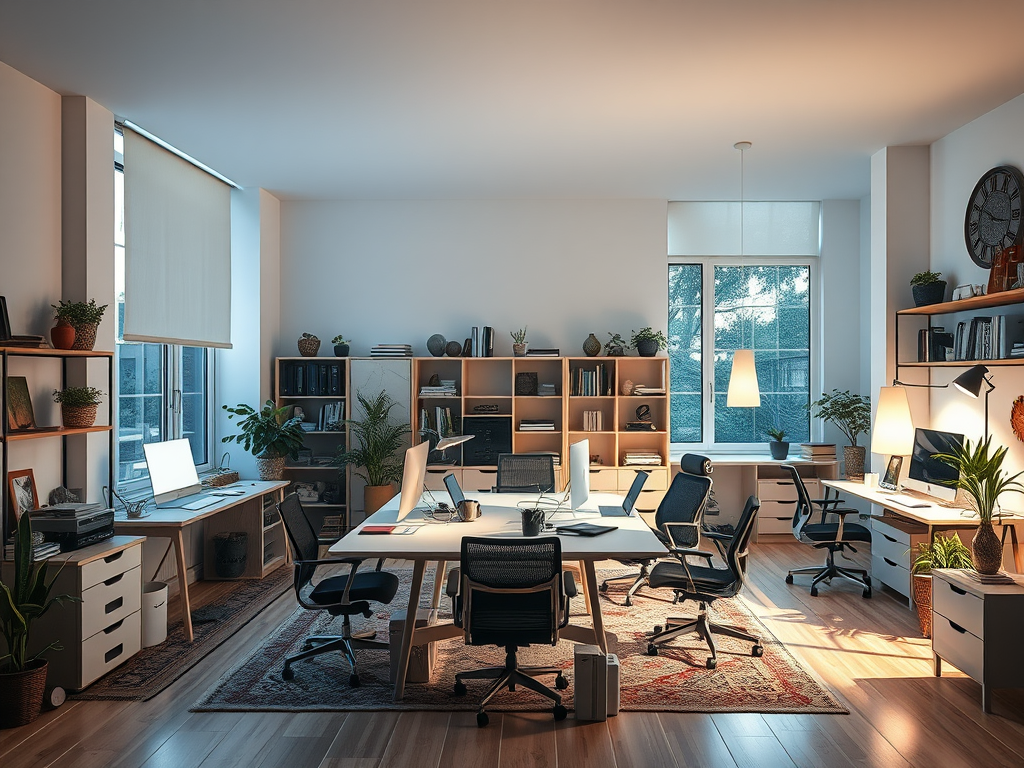
🏡 Architect’s Home Studio (Residential)
Used Tunable White with Casambi control. Lighting followed a circadian rhythm—cool white in the morning, warm tones by evening.
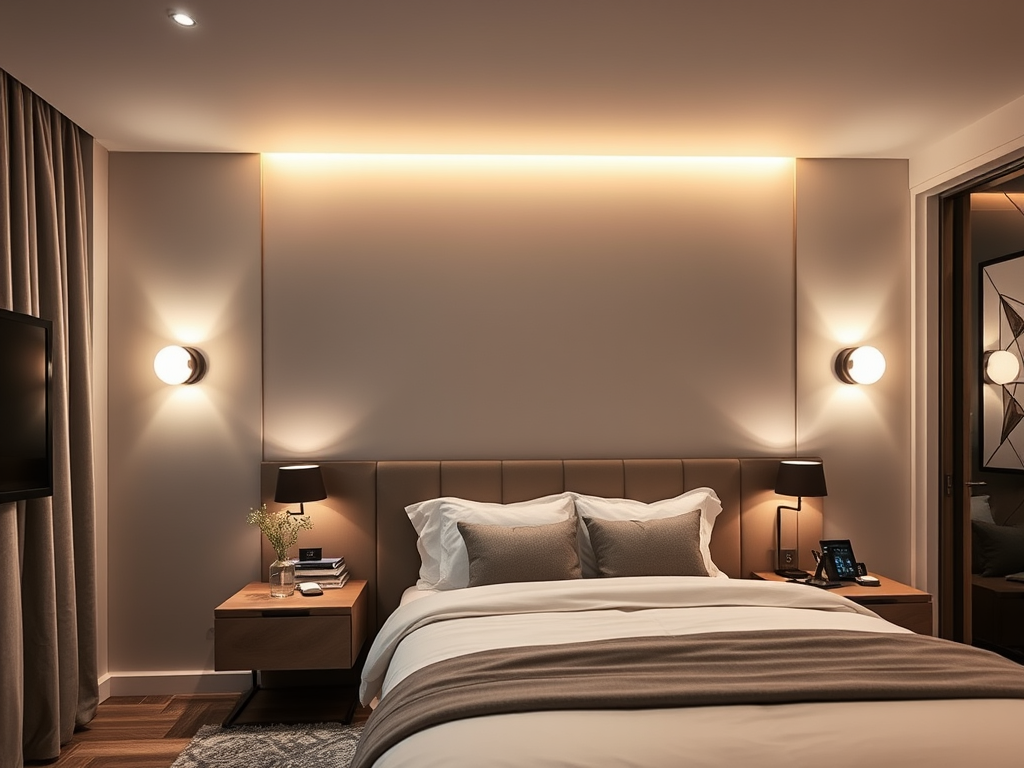
🛏️ Luxury Apartment Bedroom Renovation (Residential)
Installed AmbiDim wall sconces for a relaxing nighttime wind-down experience. Minimal wiring was needed, making it perfect for retrofitting.
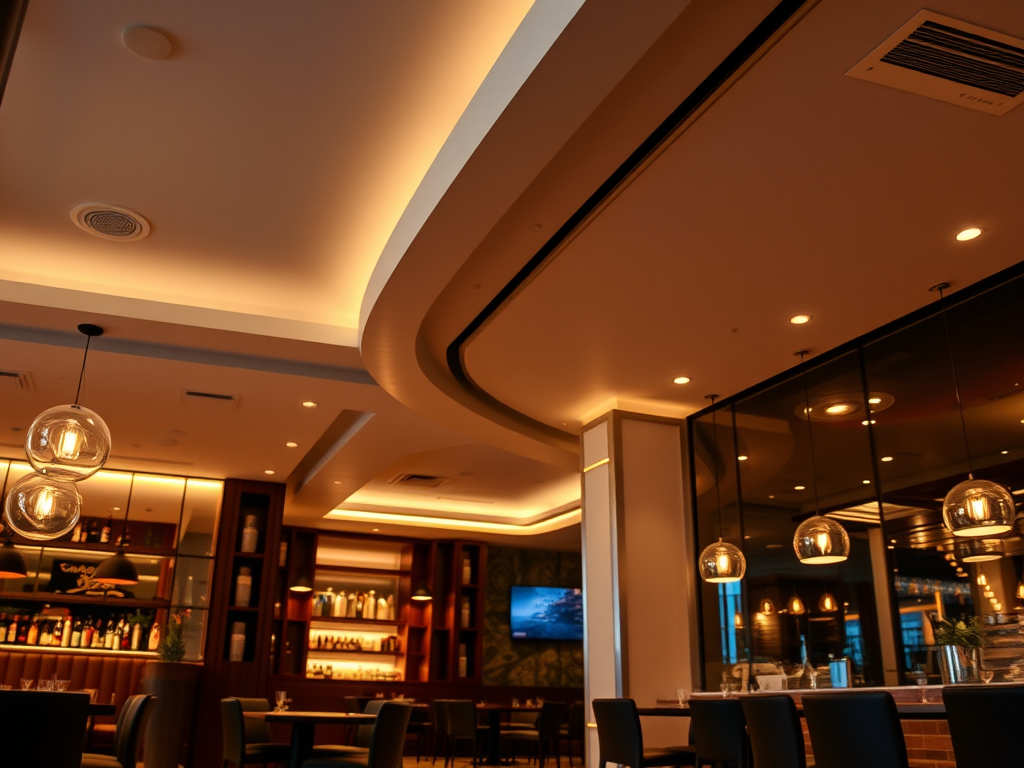
🍽️ Boutique Restaurant (Hospitality)
Installed AmbiDim in recessed and pendant fixtures. As the evening progressed, lighting naturally warmed.
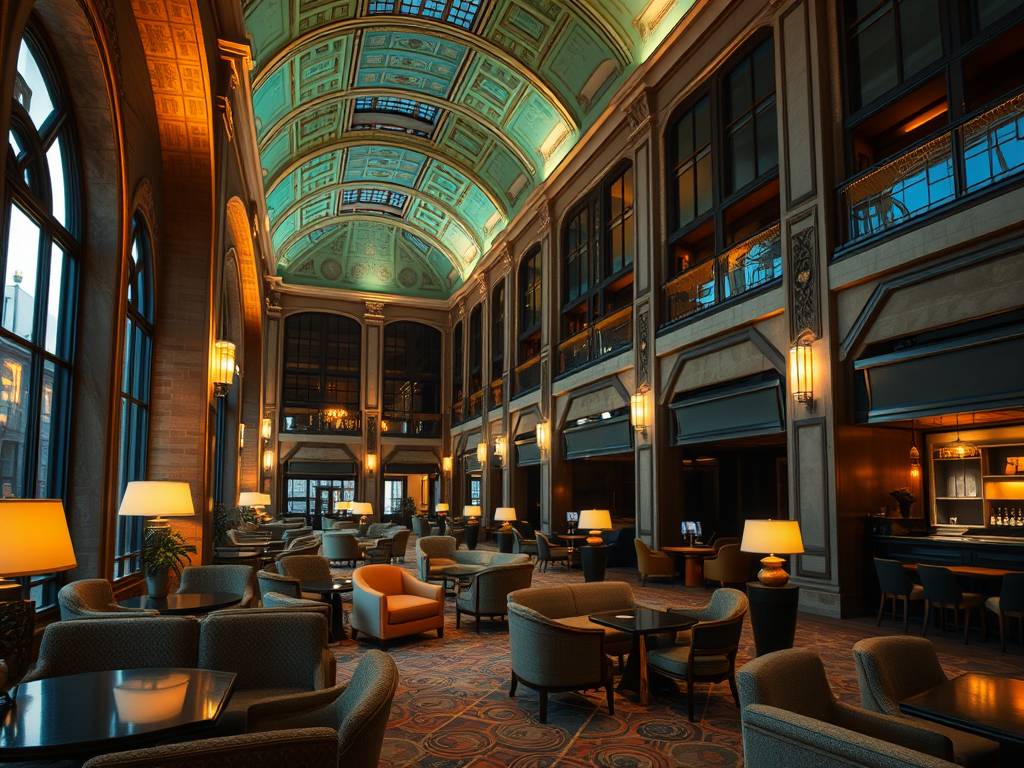
🛋️ Hotel Lounge Lighting (Hospitality)
AmbiDim was used to retrofit a historic hotel lounge. Guests now enjoy warm, cozy lighting without the need for app controls or remotes—just smooth dimming that adapts intuitively.
🏢 Corporate Conference Room (Commercial)
A law firm implemented Tunable White. It provides bright, cool lighting during meetings. The system shifts to warmer tones for casual team gatherings. The automation adjusts daily with business hours.
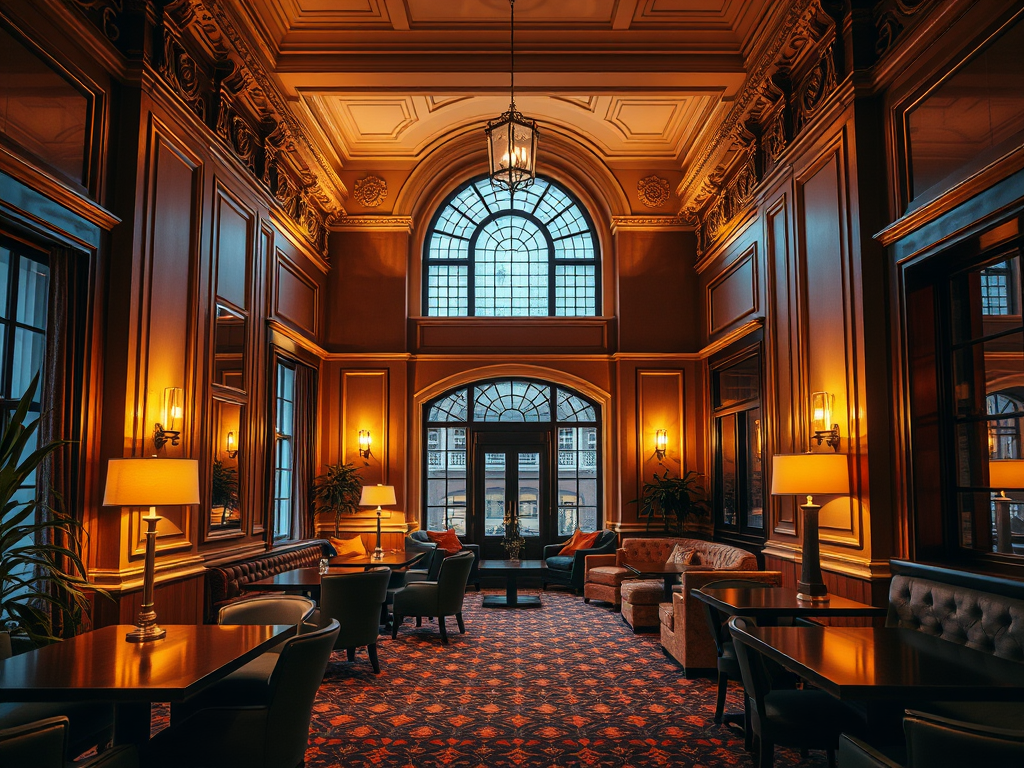
🛍️ High-End Retail Showroom (Commercial)
Used Tunable White to tailor color temperature by time of day and season. Warm tones in winter, cool crisp tones in summer. Increased dwell time and improved visual merchandising.


🔑 Summary: Tunable White suits projects where control and flexibility are essential. On the other hand, AmbiDim delivers effortless warmth in social and heritage environments.
Visual Comparison Table
| Feature | Tunable White | AmbiDim |
|---|---|---|
| Color Temperature Control | Independent | Linked to dimming level |
| Flexibility | High | Moderate |
| Installation Complexity | Higher | Lower |
| Aesthetic Control | Precise and versatile | Warm and cozy |
| Cost | Higher | Lower |
| Best for | Offices, premium homes, retail concepts | Restaurants, hotels, retrofits |
How Designers Can Choose Between Tunable White and AmbiDim
Tunable White – Ideal For:
- Offices needing circadian lighting
- Multi-use spaces (retail, showrooms)
- Residential clients with smart systems
AmbiDim – Ideal For:
- Hospitality and restaurant projects
- Budget-conscious retrofits
- Spaces with limited or no smart control
Implementation Tips:
- Use Tunable White in areas where task lighting and well-being are priorities.
- Use AmbiDim for social or decorative zones that benefit from automatic warmth.
- Combine both in layered lighting designs for the best of both worlds.
- To overcome limitations, explore hybrid lighting strategies, integrate user-friendly controls, and provide client training during handover.
🔑 Summary: Match each technology to the function and emotion of the space. Leverage their strengths within a broader lighting strategy.
Final Thoughts: It’s Not About Which Is Better—It’s About the Feeling You Want to Create
Each technology brings its own strengths. Whether you’re designing for well-being, ambience, or flexibility, the key is to match the lighting solution. It should align with the story your space wants to tell.
💬 Have a question? Want to share how you’ve used these technologies in a project? Leave a comment or reach out—I’d love to hear your take.
📣 What’s your biggest challenge when selecting between lighting technologies? Share below!
Want to explore control systems that bring Tunable White or AmbiDim to life?
 The Glow Recipe