
Because lighting doesn’t just make a space visible — it makes it meaningful.
Over the years, I’ve designed across residential, commercial, and public spaces. I’ve found that great lighting always comes down to three key principles. Whether you’re working on a home, office, retail environment, or gallery — these apply.
And the difference? It’s always visible and felt.
🔶 1. Light is a Guide
Lighting shapes how we move and feel in a space — often without us even noticing. It can lead, pause, or highlight a moment.
Case Study:
In a restaurant we designed, lighting was more than just ambience — it was the silent host. As guests entered, directional cove lighting subtly pulled them toward the reception and bar area. The backlit bar shelf stood out instantly, inviting guests to gather and engage.
Under the bar table, a warm cove light wash created depth and comfort without overwhelming the senses. We placed floor lamps beside each dining table, casting a soft, focused glow that made conversations feel more personal. To add dimension, we highlighted artwork on the walls using LED strip lights, turning each piece into a quiet statement. And above, bending decorative lights sprinkled a gentle shimmer across the space — like stardust adding magic.
The flow felt natural. No signs needed. Just good lighting doing what it does best — guiding the experience.
📘 What is directional lighting?
Light that’s intentionally aimed to emphasize spatial flow — like spotlights, linear LEDs, or wall grazers.
🎯

💬 Question: Have you used lighting as a wayfinding tool? Where did it work best — and where could it have been better?
🔶 2. Layering = Function + Atmosphere + Visual Depth
One light source equals flat lighting.
Layered lighting creates atmosphere, dimension, and flexibility.
Case Study:
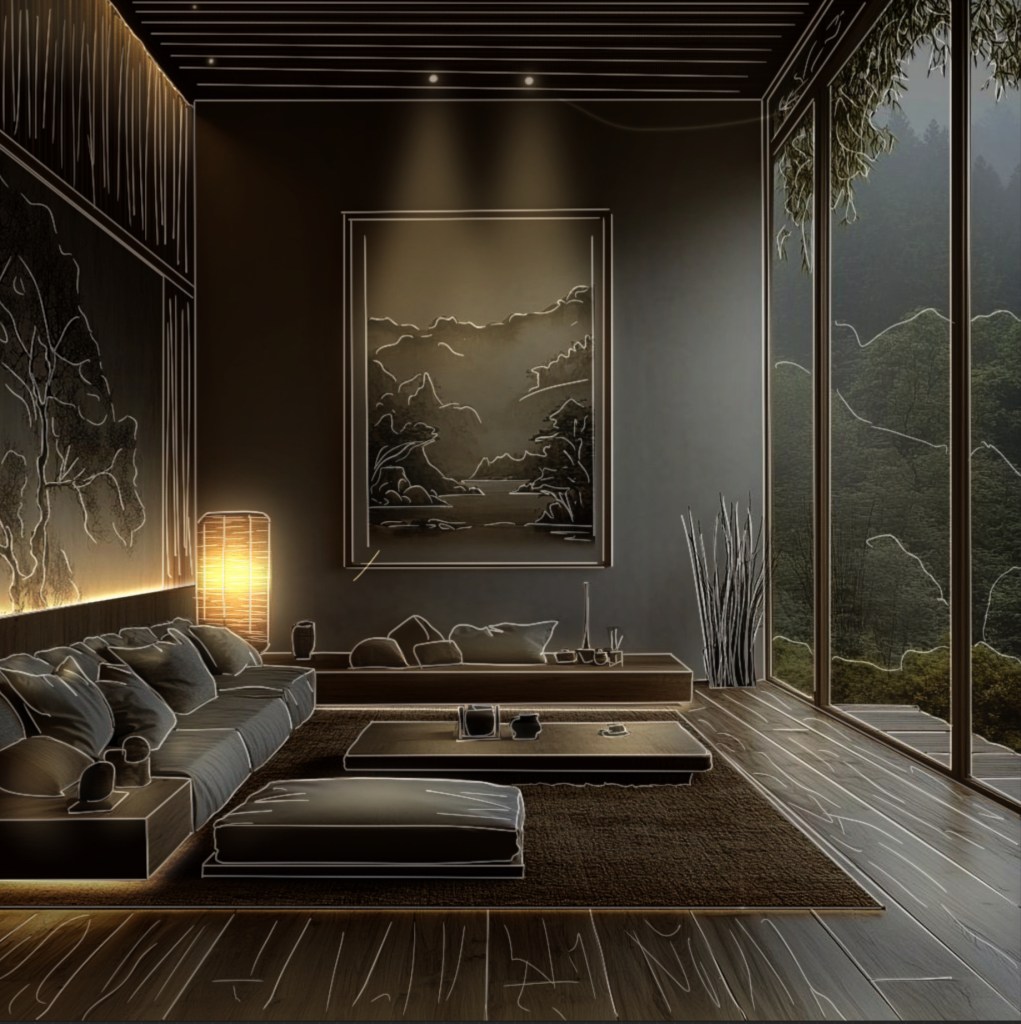
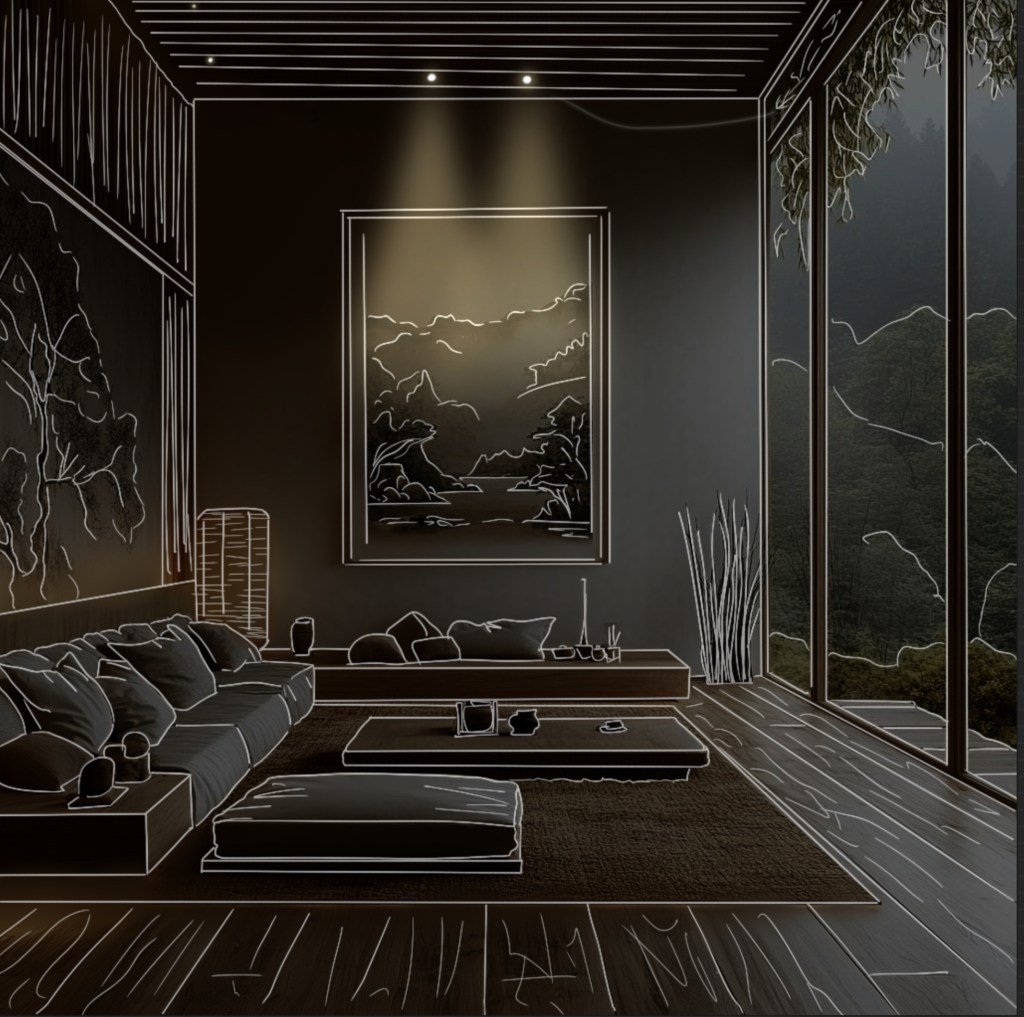
In a traditional Japanese-style living room, I layered different types of lighting. This approach created a dynamic and adaptable space. Ceiling pendant lanterns provided soft ambient illumination. the downlight highlighted the room’s delicate textures and artwork. Additionally, subtle floor-level LED strips beneath low-profile furniture defined task zones. They allowed the room to transition effortlessly from quiet contemplation to a more interactive setting with a simple dimmer change.
🛠️ Pro Tip: Think in three layers:
• Ambient: General illumination from ceiling fixtures sets the overall mood.
• Accent: Strategic lighting on walls or art pieces highlights key features.
• Task: Focused lighting at furniture level creates distinct zones for specific activities.
💬 Question: What’s your go-to combination when layering light in a room? Ceiling + wall? Accent + furniture? Drop it in the comments.
🔶 3. Darkness is a Design Element
Light reveals, but shadow defines. Great lighting isn’t just about what is lit — it’s about what isn’t.
Case Study:
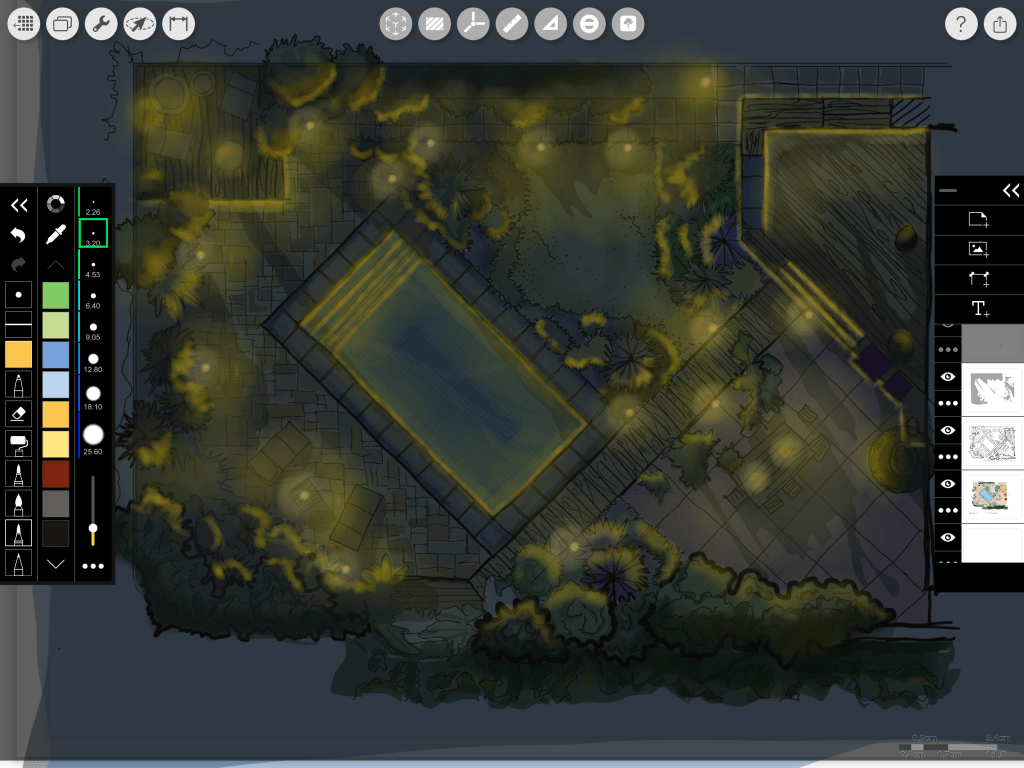
In a thoughtfully designed backyard, the interplay of light and shadow transformed the space into a dramatic retreat. The swimming pool was artfully illuminated, drawing the eye and evoking a sense of inviting allure. Yet, surrounding the pool, deliberate darkness played a key role. The expansive landscape and multiple seating areas were intentionally left in soft shadow. This design choice lent the space a calm and meditative quality.
A directional path led to a raised deck. Carefully lit steps created a striking slide-like effect. This emphasized the step transitions. A subtle strip light was installed underneath one of the seating benches. It outlines the structure. This installation provides both safety and a visual cue against the darkened backdrop.
The result was a backyard where darkness served not as an absence. Instead, it was used as a design tool. This framed focal points and guided movement. It created an atmosphere that was both intimate and dynamically engaging.
🖤 Design Tip:
Use darkness to frame, focus, and create contrast. Don’t fear the shadow — design it.
💬 Question:
Have you ever not lit a space on purpose? What did that choice do to the mood or function?
📢 What I’d Love From You:
👉 Drop a comment with your own favorite lighting principle.
💡 Share a photo or sketch from a project where lighting made the biggest difference.
🛠️ Or tell me — what’s your biggest challenge with lighting design right now?
Let’s trade ideas — this is where we all level up.
✨ Final Thought
Lighting doesn’t shout — it whispers.
When designed with intention, it becomes the quiet force that shapes how we feel, move, and connect within a space.
🔍
#LightingDesign #ArchitecturalLighting #InteriorLightingIdeas #WayfindingDesign #LayeredLighting #ShadowInDesign #LightingPrinciples #HumanCenteredDesign #MoodLighting #SpatialDesign #LightingCaseStudy #ExperienceThroughLight
 The Glow Recipe