
How Light Enhances Texture, Material, and Design
Lighting is more than just illumination—it’s an essential element that shapes how we see, feel, and experience architecture. Thoughtful lighting design can highlight textures, enhance materials, and improve accessibility, making spaces both functional and visually striking.
How Light Transforms Architectural Surfaces
1️⃣ Revealing Texture:
• Light can emphasize rough, smooth, or patterned surfaces, bringing out their depth and character.
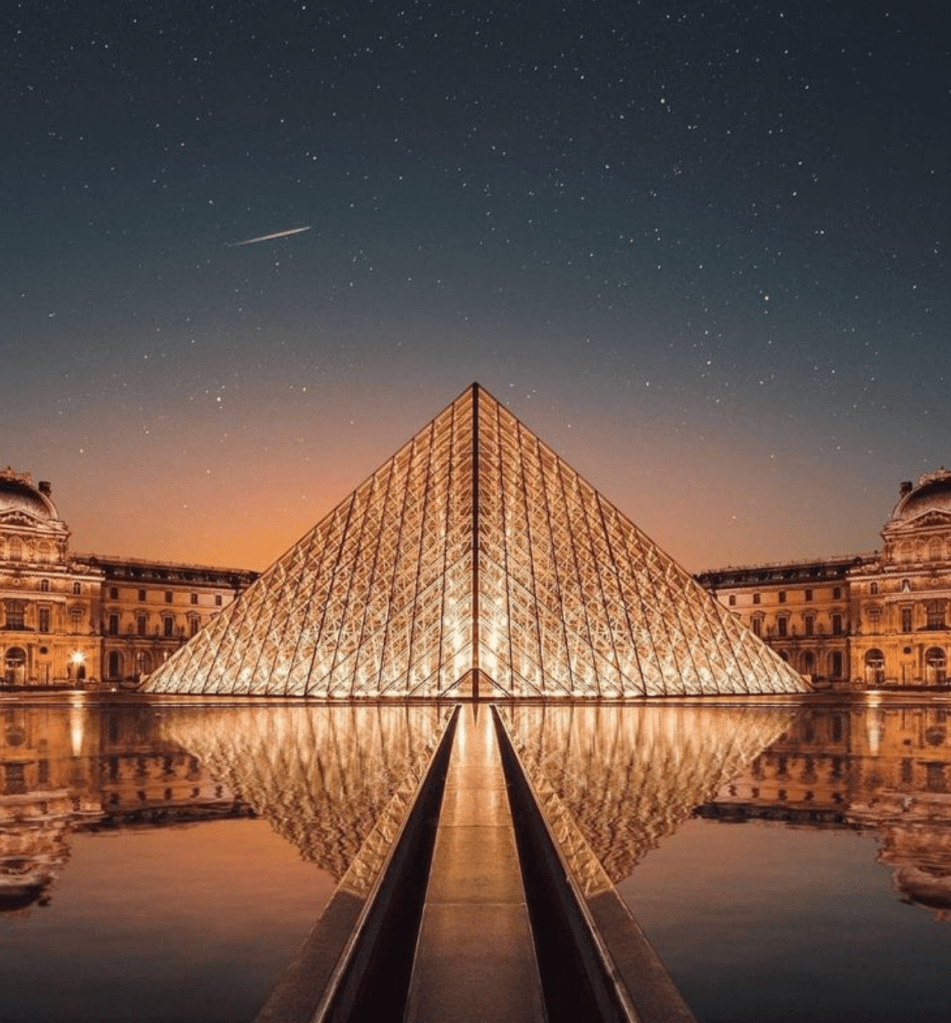
• Example: The Louvre Pyramid, Paris – At night, strategic uplighting enhances the glass and metal framework, making it glow against the historic surroundings.
2️⃣ Enhancing Materials:
• The right lighting can accentuate wood, concrete, metal, or stone, creating different moods.
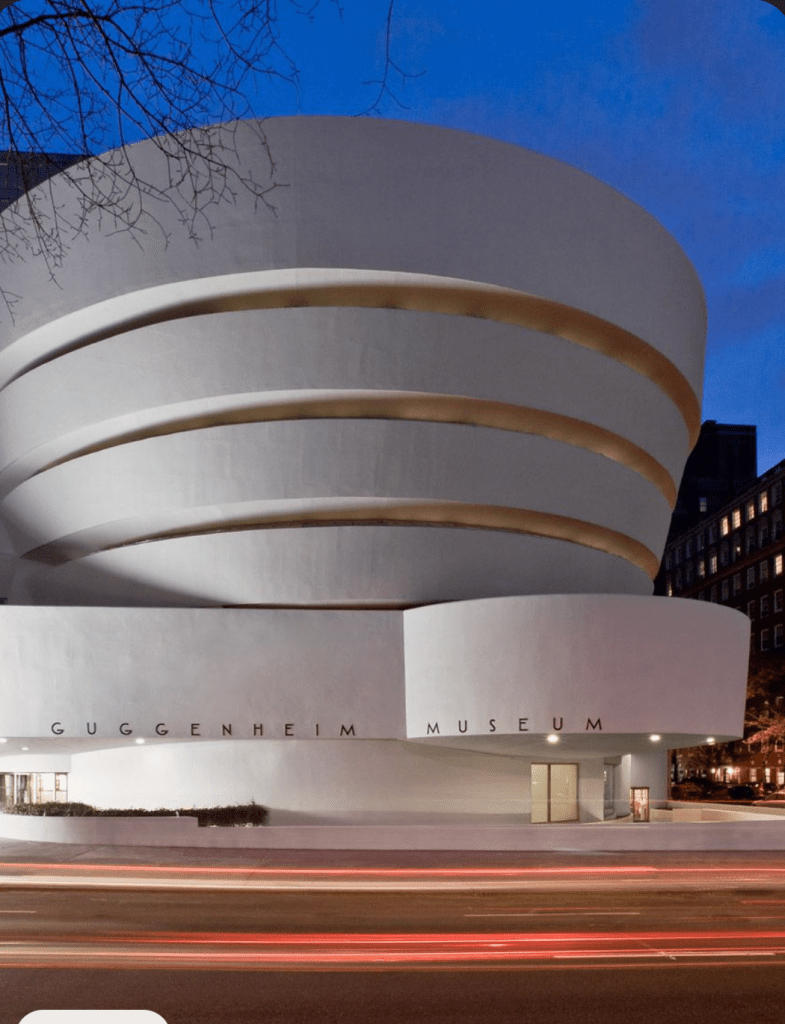
• Example: The Guggenheim Museum, New York – The museum’s white curved façade reflects light beautifully, creating soft gradients that change throughout the day.
3️⃣ Improving Accessibility:
• Lighting ensures spaces are navigable and safe, especially in public areas, pathways, and entryways.
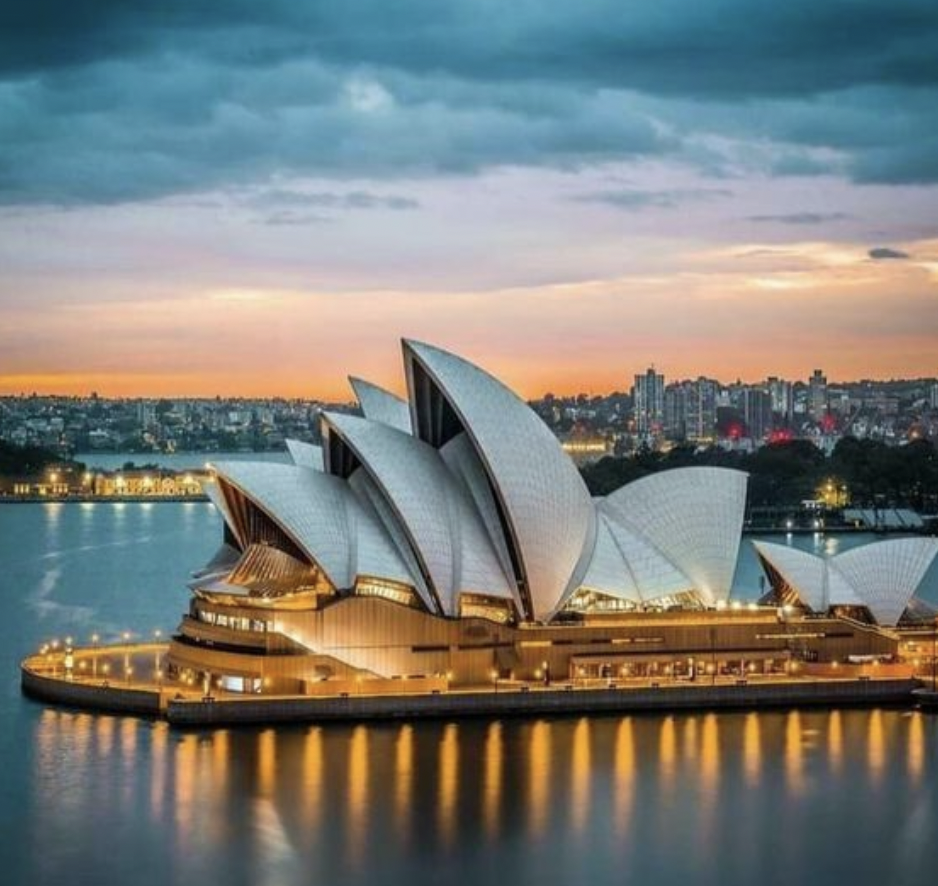
• Example: The Sydney Opera House – Its exterior lighting enhances visibility while preserving the natural beauty of the harbor.
Techniques for Enhancing Texture & Material with Light
✅ Grazing: Placing lights close to textured walls to create dramatic shadows.
✅ Wall Washing: Soft, even lighting that highlights smooth surfaces without harsh shadows.
✅ Backlighting: Creating a glowing effect that makes materials like glass or stone stand out.
Final Thoughts
Architectural lighting is not just about aesthetics—it’s about creating an immersive experience that enhances the built environment. By carefully choosing how light interacts with materials and textures, designers can transform spaces into something truly memorable.
🔹 Which building do you think has the best architectural lighting? Let’s discuss in the comments!
 The Glow Recipe